Trauma
Trauma is not always about what happened. Sometimes it's about what happened and what you had to do to survive it.
You might find yourself constantly on edge, shutting down when things become overwhelming, struggling to trust people, or feeling disconnected from yourself. You may react strongly to situations that other people seem to manage easily. You might even wonder why you're still affected by something that happened years ago.
Many people expect trauma to look like flashbacks.
Sometimes it does. Often, it doesn't.
It may show up as anxiety that never seems to switch off. Feeling numb. Struggling to trust people. Becoming overwhelmed by conflict. Finding it difficult to relax. Feeling disconnected from your body. Constantly scanning for what might go wrong.
Perhaps you've become very good at getting on with life. You go to work, look after other people, and appear to be coping. Yet certain situations still leave you feeling anxious, overwhelmed, or emotionally numb in ways that are difficult to explain.
Many people come to therapy believing they should be "over it" by now. Trauma doesn't work like that.

Trauma can take many forms. Your responses usually developed for a reason.
When people hear the word trauma, they often think of a single frightening event.
Sometimes that's true. Trauma can develop after experiences such as an accident, assault, abuse, or a sudden loss. But trauma can also develop more gradually.
Growing up in an environment where you didn't feel safe, emotionally seen, or consistently cared for can shape the way you experience yourself and your relationships long into adulthood.
You may have learned to stay quiet, keep everyone happy, always expect the worst, or never ask for help because those strategies once helped you cope. Those adaptations make sense.
The difficulty is that they can continue long after the original situation has passed.
Therapy isn't about asking why you can't just move on. It's about understanding why moving on has felt so difficult.
Together, we'll begin to understand how your experiences have shaped the way you think, feel, relate to others, and respond to the world around you. As that understanding grows, many people find they feel less controlled by old patterns and more able to respond from the present rather than the past.
Therapists who work with trauma
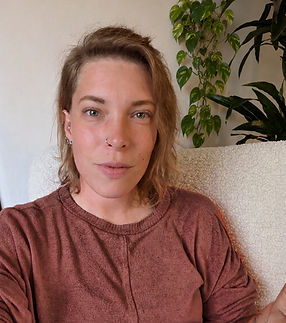
Myra Kokke
Works with adults (18+)
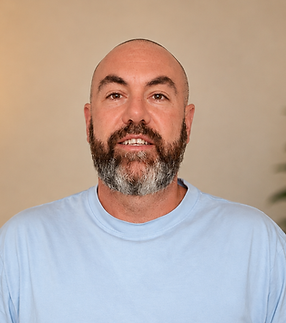
James Sloane
Works with adults (18+)
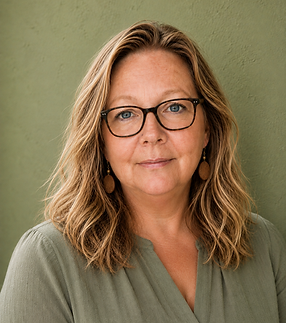
Nichola Magner
Works with adults (18+)