Feeling disconnected
Sometimes the hardest feeling to describe is feeling nothing at all. Or feeling as though you're watching your own life from the outside.
Many people come to therapy because they don't feel like themselves anymore.
Life carries on. You go to work. You spend time with family and friends. You do the things you always do. But something feels different.
You might feel emotionally numb, as though you're moving through the day on autopilot. You may struggle to feel joy, excitement, or even sadness. Conversations can feel distant. Relationships that once felt meaningful may suddenly feel difficult to connect with.
Some people describe feeling as though they're watching life happen rather than fully living it. Others feel disconnected from their bodies. They notice themselves constantly in their heads, analysing everything, while feeling strangely absent from the present moment.
It can feel frightening when you don't recognise yourself.
Especially when you can't explain why.

Disconnection isn't always the problem. Sometimes it's the way we've learned to protect ourselves.
Our minds and bodies are remarkably good at protecting us. When life becomes overwhelming, emotionally painful, or simply too much for too long, disconnecting can become a way of coping. It allows us to keep functioning when fully feeling everything might be impossible.
Many people experience this after trauma, prolonged stress, grief, burnout, or periods of emotional overwhelm.
The difficulty is that when we disconnect from painful emotions, we often become disconnected from the enjoyable ones too. Life can begin to feel flat, distant, or unreal.
Therapy isn't about forcing yourself to feel more. It's about understanding what your mind and body have been protecting you from, and gently reconnecting with yourself at a pace that feels safe. As that connection grows, many people find they begin to feel more present, more alive, and more like themselves again.
Therapists who work with feeling disconnected
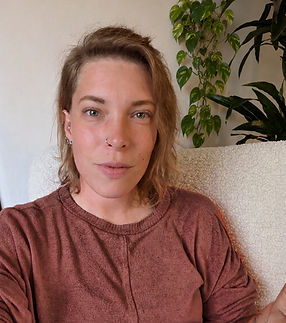
Myra Kokke
Works with adults (18+)
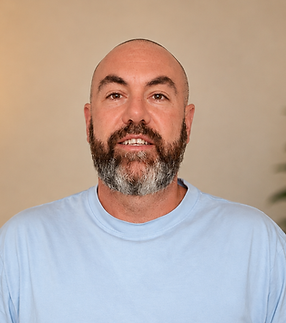
James Sloane
Works with adults (18+)

Nichola Magner
Works with adults (18+)