Stress & burnout
We often don't notice we're burning out. Until simply getting through the day starts to feel like hard work.
Life can become so busy that we stop noticing how much we're carrying. You keep going because people depend on you. Work needs to be done. Children need looking after. There never seems to be the right time to slow down.
At first, you cope.
Then everything starts taking more effort.
You wake up tired. Small tasks feel overwhelming. Your concentration disappears. You become more irritable, more emotional, or strangely numb. Things that once brought you joy begin to feel like another item on the list.
Even when you stop, your mind doesn't.
It keeps planning, worrying, remembering, and preparing for what's next. Many people describe feeling as though they're surviving rather than living.
You tell yourself you just need a holiday, a quieter week, or a good night's sleep. Sometimes that helps.
Sometimes it doesn't.

Rest isn't always enough. Sometimes we need to understand why we've been running on empty in the first place.
Stress is a normal part of life. Burnout is different.
It often develops after long periods of pressure without enough time, support, or opportunity to recover. Our nervous system stays switched on for so long that it begins to struggle to return to a place of calm.
For many people, burnout isn't only about work. It can grow from caring for others, parenting, perfectionism, difficult relationships, financial pressure, chronic stress, or always feeling responsible for everyone around you.
Therapy isn't about becoming more productive or finding ways to keep pushing through. It's about understanding what has brought you to this point, recognising the patterns that keep the cycle going, and finding a way of living that doesn't require you to constantly ignore your own needs. Many people discover that recovery isn't simply about doing less. It's about relating to yourself differently.
Therapists who work with stress & burnout
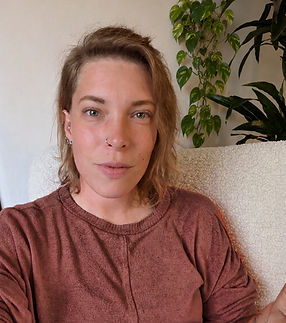
Myra Kokke
Works with adults (18+)
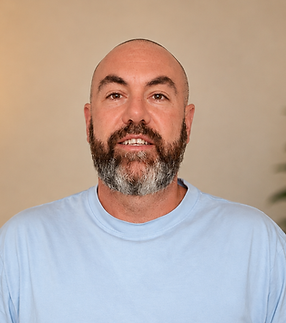
James Sloane
Works with adults (18+)
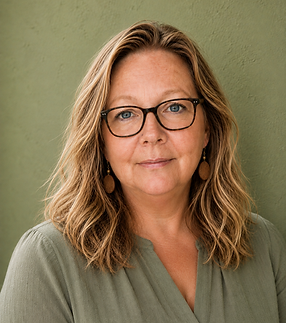
Nichola Magner
Works with adults (18+)