Shame & self-esteem
Shame doesn't tell you that you made a mistake. It tells you that you are the mistake.
Many people live with a quiet feeling that they are somehow not enough. Not good enough. Not interesting enough. Too much. Too sensitive. Too emotional. Too needy. Too difficult.
It can shape the way you see yourself without you even realising it's there.
Perhaps you find it difficult to accept compliments because they don't feel true. You apologise for taking up space. You compare yourself to other people and always seem to come up short. You work incredibly hard to prove your worth, yet never quite feel like you've done enough.
For some people, shame leads them to hide. For others, it leads them to constantly achieve, care for everyone else, or try to become the person they think they should be.
Whatever it looks like, living with shame can be exhausting.
It can leave you feeling disconnected from yourself and constantly questioning whether you're enough just as you are.

The way we speak to ourselves is rarely where the story begins. Someone else's voice often became our own.
Our sense of self doesn't develop in isolation. It develops through our relationships with other people.
The messages we receive as children, from family, school, friendships, or wider society, gradually become the way we see ourselves. Feeling criticised, rejected, overlooked, compared, or believing that love had to be earned can quietly shape the beliefs we carry into adulthood.
Over time, those beliefs can become so familiar that they simply feel like the truth.
But beliefs are not the same as facts.
Therapy isn't about convincing you to think positively about yourself. It's about becoming curious about where these beliefs came from, understanding how they've shaped your life, and beginning to relate to yourself with greater compassion.
As that understanding grows, many people find they become less driven by self-criticism and more able to recognise their own worth, not because they've changed who they are, but because they're no longer seeing themselves through the lens of old experiences.
Therapists who work with shame & self-esteem
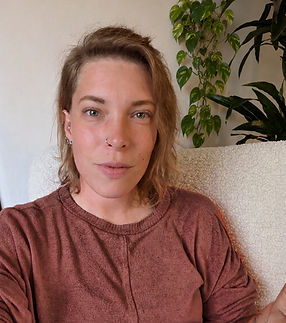
Myra Kokke
Works with adults (18+)
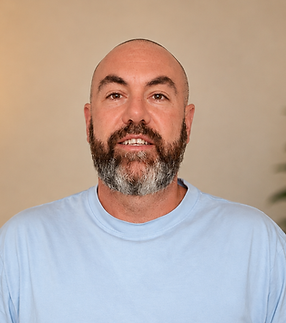
James Sloane
Works with adults (18+)
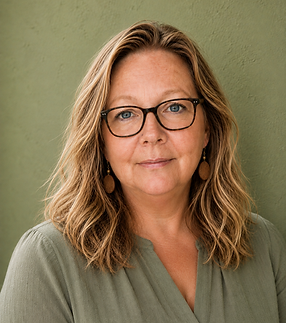
Nichola Magner
Works with adults (18+)